Darker Orange Egg Yolk Mean Better Nutrition? (The Truth Behind the Shell)
If you have ever cracked an egg and marveled at a rich, deep orange yolk, you probably thought to yourself, “Now that is a healthy egg”. It is a common belief among consumers that a darker yolk instantly equals a happier chicken and a much more nutritious meal.
Here is the straightforward food science behind what actually paints your egg yolks orange, the industry secrets regarding artificial coloring, and what it really means for your family’s health.
The Science of Color: It is All About the Feed
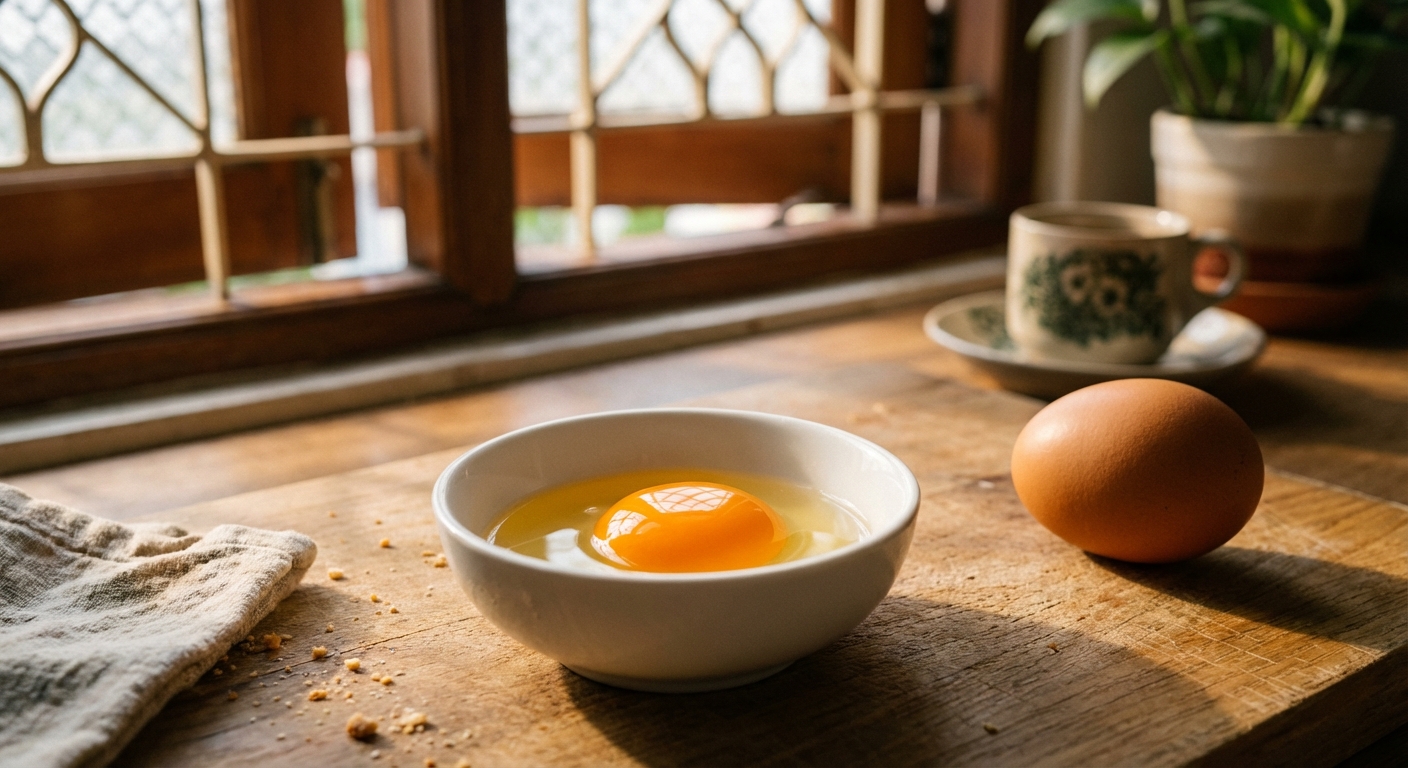
The color of an egg yolk is determined by a single factor: the hen’s diet. It has very little to do with the breed of the chicken, the grade of the egg, or its freshness.
The yellow and orange pigments in egg yolks come from a family of natural compounds called carotenoids. Simply put, the specific ingredients in a chicken’s daily diet directly affect the final color of the yolk.
Natural Diets vs. Artificial Dyes: The Industry Secret
Because consumers generally prefer orange yolks, the commercial egg industry pays very close attention to yolk color. This has led to two very different approaches to feeding chickens.
1. The Natural Approach
Ethical farms achieve a rich yolk color by feeding their hens a highly nutritious, natural diet. They include natural ingredients rich in carotenoids, such as grass, alfalfa, and marigold extracts. This not only colors the yolk naturally but also provides the hen with genuine, healthy nutrients.
2. The Artificial Colorant Shortcut
Unfortunately, some commercial egg producers actively alter their chicken feed using artificial additives to achieve that specific deep orange color and boost sales. Farmers use a tool called a “Yolk Color Fan” to target a specific, highly marketable shade. Instead of upgrading the quality of the actual food, they add synthetic carotenoid powders or artificial dyes directly into the feed. This tricks the consumer into thinking they are buying a premium, farm-fresh product, when in reality, the color was simply manufactured in a lab.

The EGGHEY Difference: 100% Natural, Zero Artificial Dyes
When it comes to the food you feed your family, transparency is everything. At EGGHEY, our egg yolk colors are derived entirely from a high-quality, natural food diet. We strictly prohibit the use of artificial dyes, synthetic colorants, or chemical shortcuts in our poultry feed.
When you crack open an EGGHEY egg and see a beautiful yolk, you are seeing the direct result of authentic agricultural practices and wholesome natural chicken feed.
The Nutritional Reality Check
Does a naturally orange yolk actually make the egg better for you? Here is the nutritional breakdown:
| Feature | Natural (EGGHEY) | Artificial Feed |
|---|---|---|
| Antioxidants | High (Lutein/Zeaxanthin) | Negligible |
| Additives | None (Zero) | High Synthetic Dyes |
| Yolk Pigment | Natural Carotenoids | Artificial Colorants |
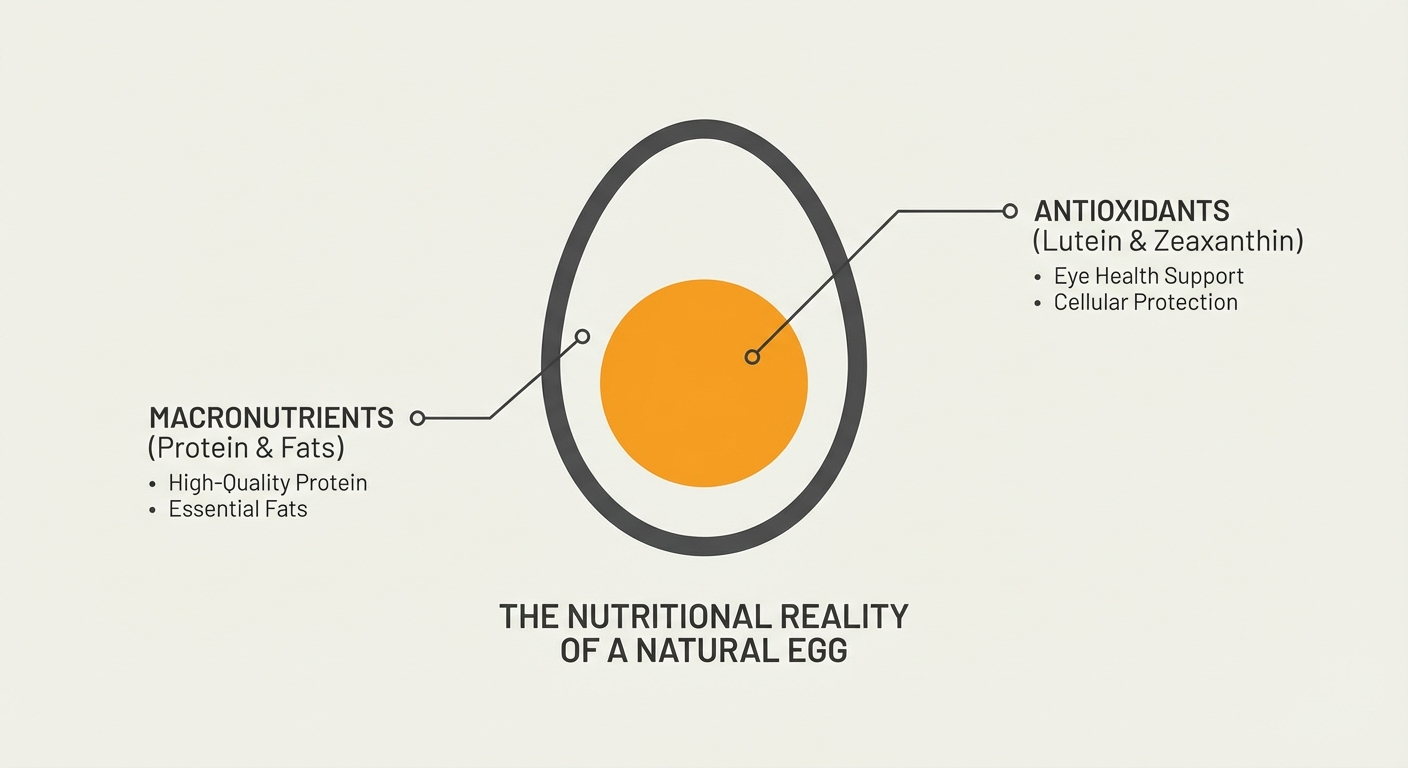
Macronutrients (Protein & Fats): The color itself does not drastically change the protein count. Instead, the total nutritional profile depends on the balance of the hen’s diet. EGGHEY’s premium feed ensures a high-quality protein and fat ratio.
The Antioxidant Advantage: This is where the difference lies. Natural carotenoids (like those in EGGHEY feed) are powerful antioxidants. Specifically, lutein and zeaxanthin are critical for human eye health and protecting against macular degeneration.
By choosing eggs produced through natural diets rather than artificial dyes, you ensure that you are getting those genuine antioxidant benefits along with a high-quality macronutrient profile, all without any synthetic additives.

About The Author
We are team egghey. We started this brand to share the incredible taste of truly fresh eggs from our family’s farm in Perak. We hope you enjoy them as much as we do!