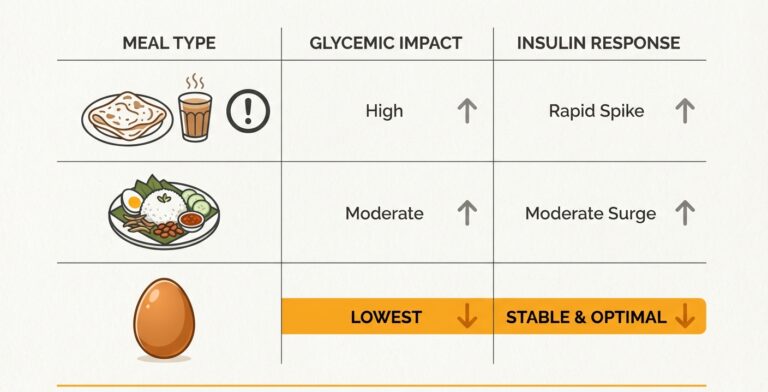
If Protein is the New Base of the Food Pyramid, Why the “Laid Date” of Your Egg is Everything
Following the updated global dietary guidelines, the traditional food pyramid was essentially inverted. High-quality proteins—specifically whole eggs, lean meats, and healthy fats—were moved to the foundational base of daily human nutrition, pushing refined carbohydrates and sugars to the top.
The message from modern science is clear: Eat more protein. However, this new mandate has exposed a massive flaw in the commercial food supply chain. If you are now eating eggs every single day to fuel your muscles, brain, and metabolism, the quality of those eggs matters exponentially more.
Eating a three-week-old, chemically degraded supermarket egg defeats the entire purpose of this biological upgrade. Here is the food science behind why the “Laid Date” on your egg carton is now the most important nutritional metric in your kitchen.
The Protein Degradation Process
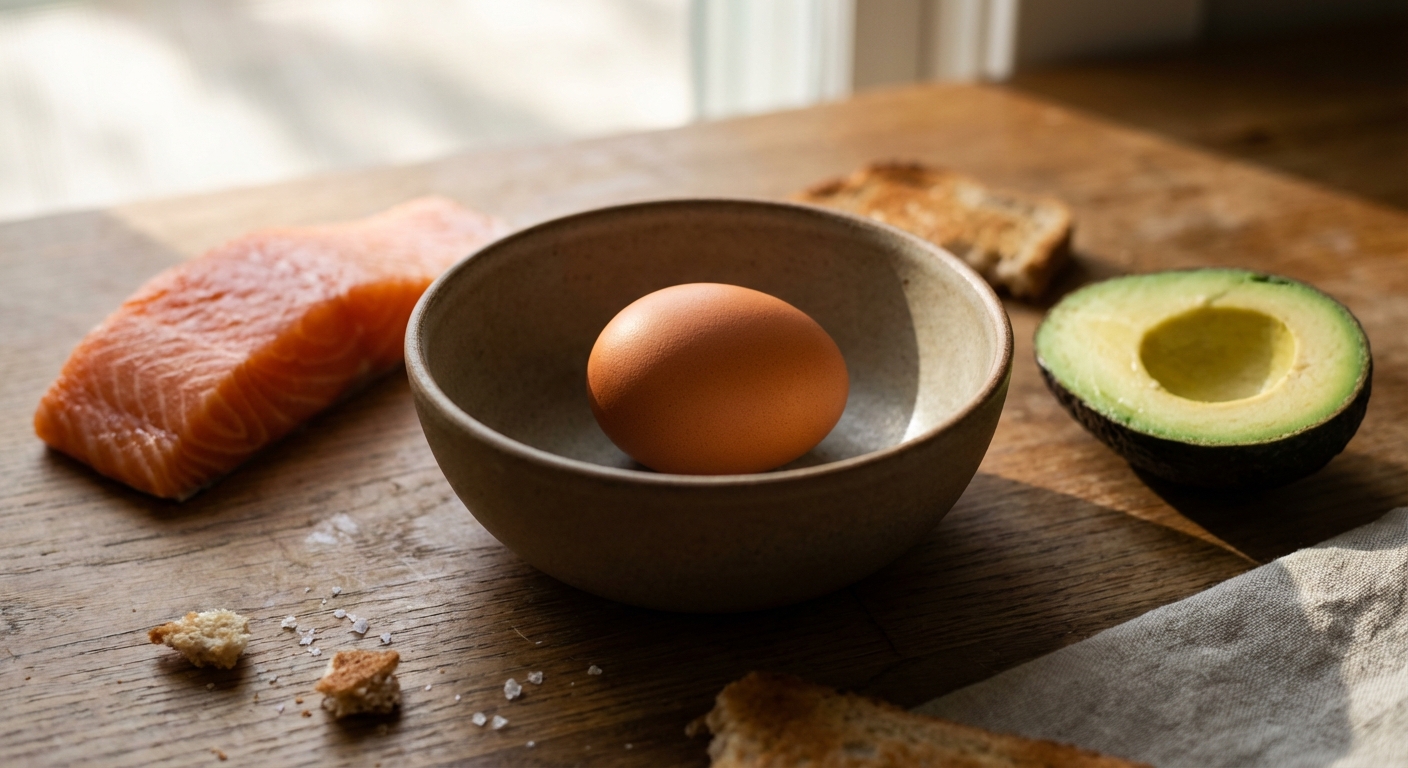
When the new food pyramid tells you to eat protein, it assumes you are consuming it in its highest-quality state. An egg is widely considered to have a perfect biological value, but that value diminishes as the egg’s internal chemistry collapses.
The moment an egg is laid, a chemical clock starts ticking. The egg white is held together by a tightly woven protein matrix called ovomucin. In a fresh egg, this matrix is thick, cloudy, and functionally intact.
However, as commercial eggs sit in hot distribution trucks and supermarket chillers for up to 21 days, carbon dioxide escapes through the shell. The internal pH of the egg spikes, turning highly alkaline. This alkaline environment acts as a chemical solvent, systematically dissolving the ovomucin protein bonds and degrading functional proteins like lysozyme.
By the time you crack a three-week-old egg and see a watery, puddle-like white, you are looking at structurally degraded protein that has lost its protective biological shield.
The Danger of Oxidized Lipids (The Dark Side of Old Eggs)
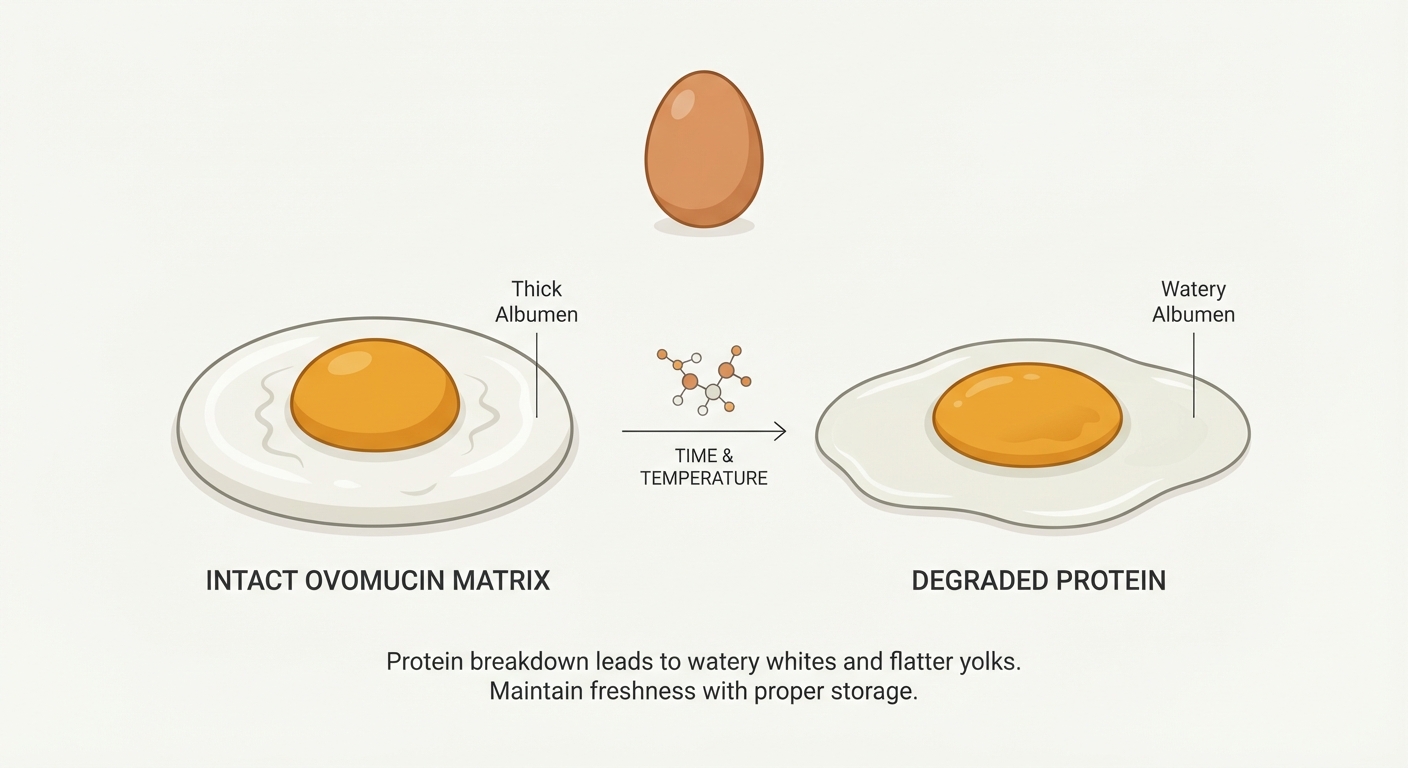
The new dietary guidelines finally exonerated the egg yolk, praising its healthy fats, Choline, and natural cholesterol as essential for brain and hormone health. But there is a catch: Fats are highly sensitive to oxygen and heat.
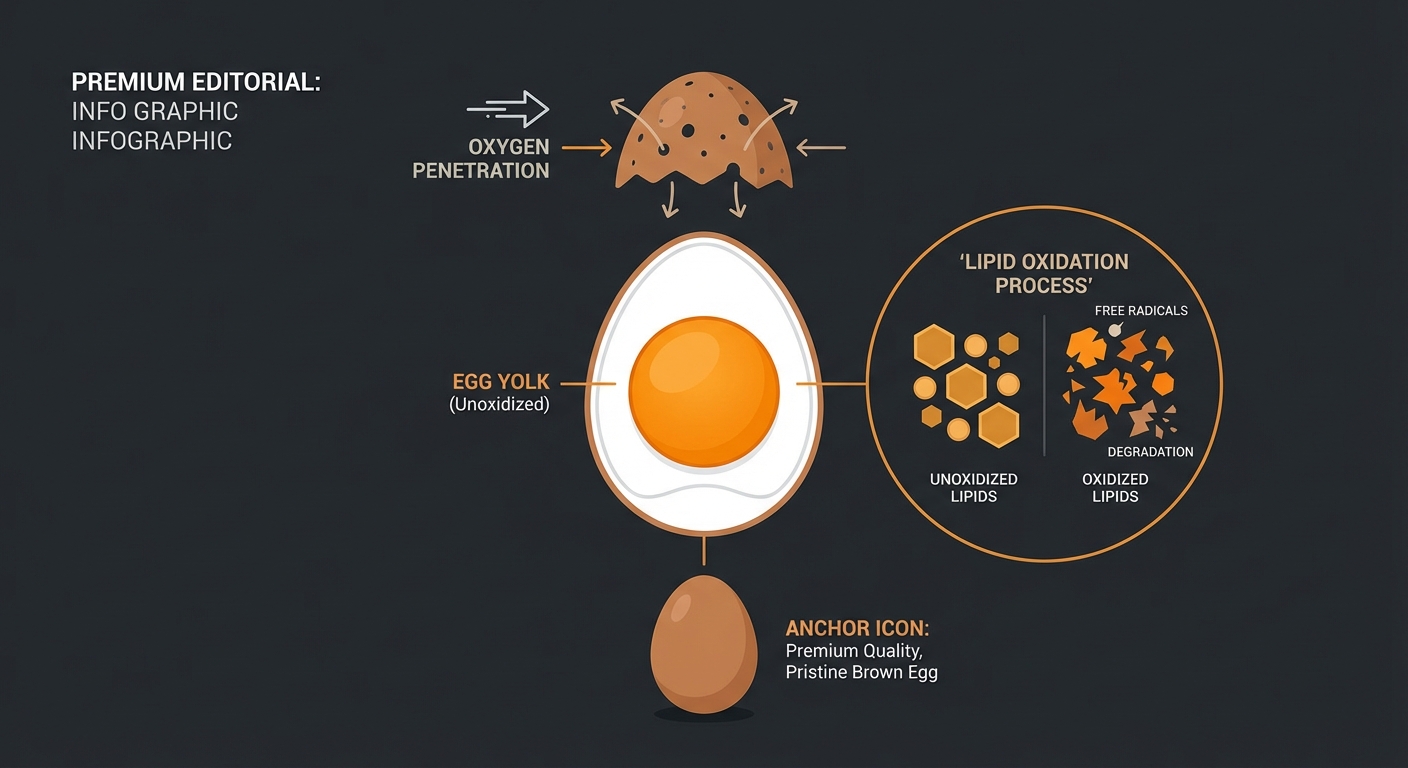
As an egg ages, its shell becomes more porous, allowing oxygen to slowly seep into the egg chamber. In a tropical, high-humidity climate like Malaysia, this ambient heat accelerates a dangerous chemical reaction known as lipid oxidation.
Fresh Yolks
Contain pristine, unoxidized lipids that act as clean building blocks for your cell walls and hormones.
Old Yolks
The fats and cholesterol begin to oxidize, forming Cholesterol Oxidation Products (COPs). Consuming oxidized cholesterol introduces free radicals into your digestive tract, which trigger systemic inflammation and damage blood vessels.
If you are following the new food pyramid to improve your health, eating heavily oxidized, aged commercial eggs will actively sabotage your cardiovascular and metabolic goals.
The “Expiry Date” Illusion vs. The “Laid Date” Reality
Supermarkets rely on the “Expiry Date” to move inventory. But the expiry date is merely a food safety threshold—it just tells you the day the egg officially becomes a severe bacterial risk. It tells you absolutely nothing about how much the proteins have degraded or how much the lipids have oxidized.
To truly optimize your nutrition, you must look at the Laid Date. Knowing the exact day the egg left the farm allows you to consume it during its “biological peak”—the brief window where the pH is balanced, the proteins are perfectly tightly woven, and the fats remain completely unoxidized.
The EGGHEY Standard
This biological reality is why EGGHEY completely bypassed the commercial warehousing system. You cannot follow optimal health guidelines using substandard, aged ingredients.
By harvesting and dispatching your eggs via courier within 12 hours of being laid, we intercept the egg before the chemical degradation even begins. Even with transit time across West Malaysia, your eggs arrive at your door in just 2 to 3 days.
We boldly print the Laid Date on every package because we want you to know exactly how fresh your protein is. You are not just getting an egg; you are getting a biologically pristine superfood that aligns perfectly with the absolute highest standards of modern nutritional science.

The Protein Quality Matrix
| Nutritional Metric | EGGHEY Egg (2–3 Days Old) | Supermarket Egg (14–21 Days Old) |
|---|---|---|
| Protein Structure (Ovomucin) | Intact, tightly bound, functionally active | Denatured, watery, chemically degraded |
| Lipid & Cholesterol Quality | 100% Unoxidized and anti-inflammatory | Highly susceptible to lipid oxidation |
| Internal pH Level | Optimal (~7.6) | Highly Alkaline (~9.2) |
| Dietary Value | Clean raw materials for cellular repair | Diminished quality; potential oxidative stress |

About The Author
We are team egghey. We started this brand to share the incredible taste of truly fresh eggs from our family’s farm in Perak. We hope you enjoy them as much as we do!