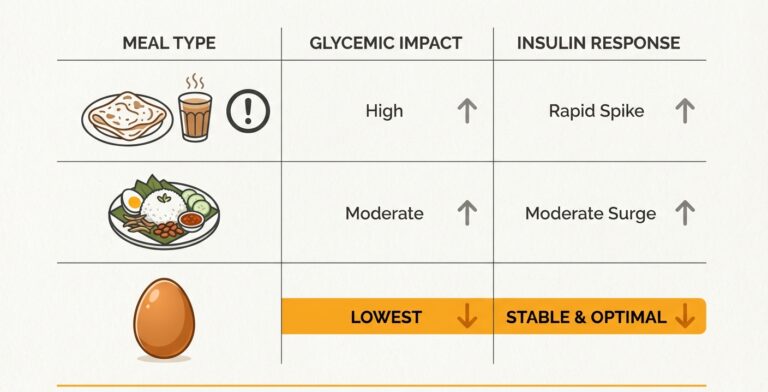
Eggs and Good Cholesterol: The Healthy Connection You Need to Know
For decades, eggs were unfairly demonised in dietary advice due to the misconception that consuming dietary cholesterol directly elevates blood cholesterol and increases heart disease risk. Early dietary guidelines often recommended limiting egg consumption based on this belief, sometimes without comprehensive epidemiological data or clinical interventions. However, modern scientific understanding, supported by extensive research, challenges this outdated view, now recognising eggs as an economical, versatile, and nutrient-dense food in a healthy diet.

Understanding Cholesterol Regulation
A crucial distinction to grasp is between dietary cholesterol—the cholesterol you consume from foods like eggs—and blood cholesterol, which circulates in your body. It is an oversimplification to assume a direct, one-to-one relationship between the two. The human body is remarkably adept at regulating its own cholesterol levels; in fact, most of the cholesterol in your body is produced internally (biosynthesis), not absorbed from your diet. Only about 25% of serum cholesterol in humans is typically derived from the diet, with the rest coming from the body’s own production.
When you consume dietary cholesterol, your body employs sophisticated compensatory mechanisms to maintain balance. These include reducing the absorption of cholesterol from the intestines and suppressing the body’s own cholesterol production. This is why, for most individuals, dietary cholesterol intake does not drastically alter blood cholesterol levels.
A Case in Point: The 88-Year-Old Egg Lover
A remarkable example illustrating these compensatory mechanisms is the case of an 88-year-old man who consumed 20–30 eggs daily (about 4500 mg of cholesterol) for many years. Despite this extraordinary intake, he maintained normal blood cholesterol levels and experienced no heart problems, thanks to his body’s ability to significantly reduce cholesterol absorption and increase bile acid synthesis.
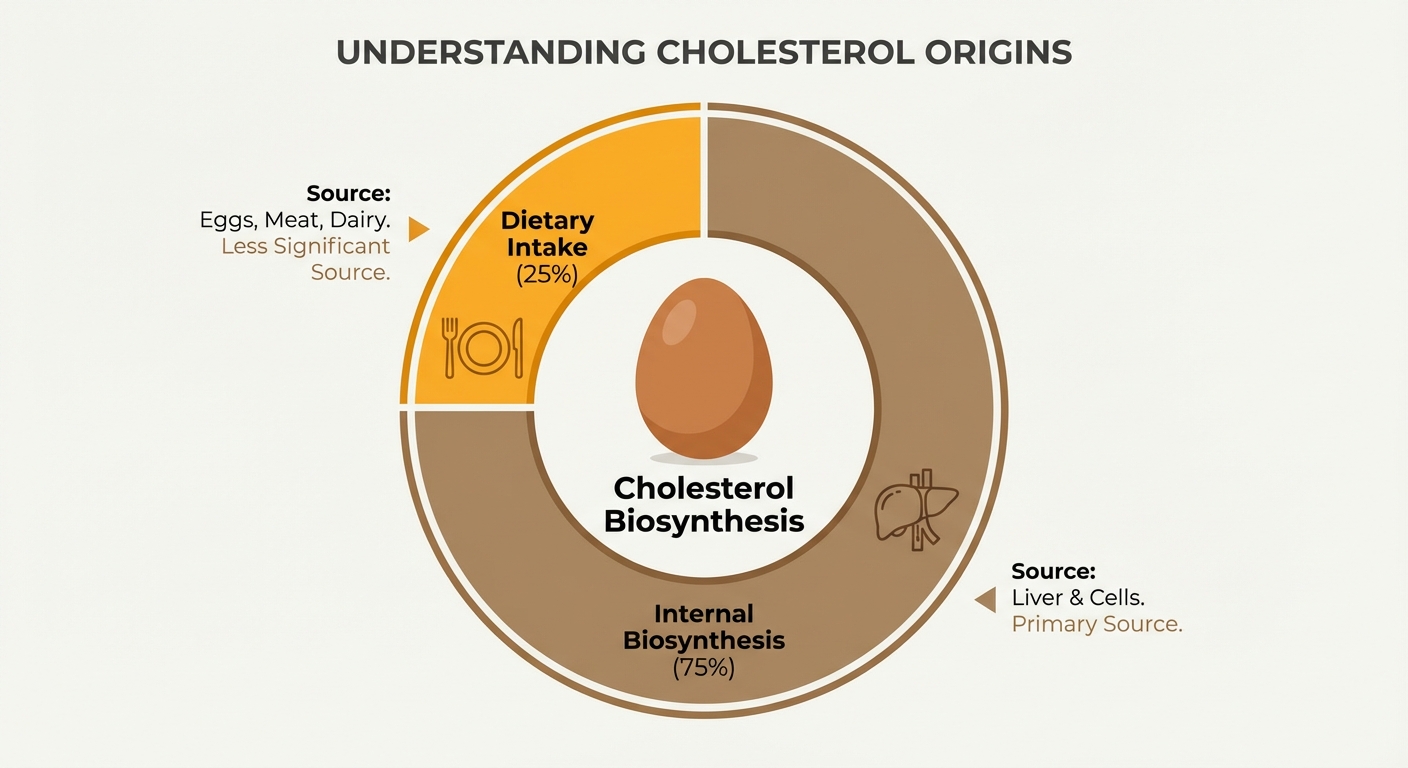
Key Scientific Findings on Eggs
Recent scientific findings from various research designs, including randomised controlled trials (RCTs) and large-scale observational studies, provide compelling insights into the impact of egg consumption on health:
| Focus Area | Key Insight |
|---|---|
| Healthy Individuals | Minimal effect on blood cholesterol for 2/3 of the population. |
| CVD Risk | Up to one egg per day is not associated with increased risk. |
| Lipoprotein Profile | Often improves large HDL particles and cholesterol efflux capacity. |
The EGGHEY Difference: Unoxidized Lipids
When it comes to cardiovascular health, the state of the cholesterol matters just as much as the amount. Medical science shows that cholesterol only becomes dangerous to your arteries when it oxidizes due to heat, aging, or processing. Because EGGHEY eggs are shipped within 12 hours of being laid, the delicate lipids and cholesterol inside the yolk remain incredibly stable and unoxidized. By choosing EGGHEY, you are getting the freshest, cleanest source of functional lipids to support your body’s natural regulatory systems.

Conclusion: Making an Informed Choice
In conclusion, the scientific understanding of eggs and cholesterol has moved beyond outdated fears. The focus has rightly shifted to the body’s remarkable ability to self-regulate cholesterol, allowing us to embrace eggs as a valuable part of our diet. For the vast majority of healthy individuals, eggs are a key component for positively influencing lipoprotein profiles and promoting long-term health.

About The Author
We are team egghey. We started this brand to share the incredible taste of truly fresh eggs from our family’s farm in Perak. We hope you enjoy them as much as we do!