Egg History: From Dietary Caution to “Powerfood”
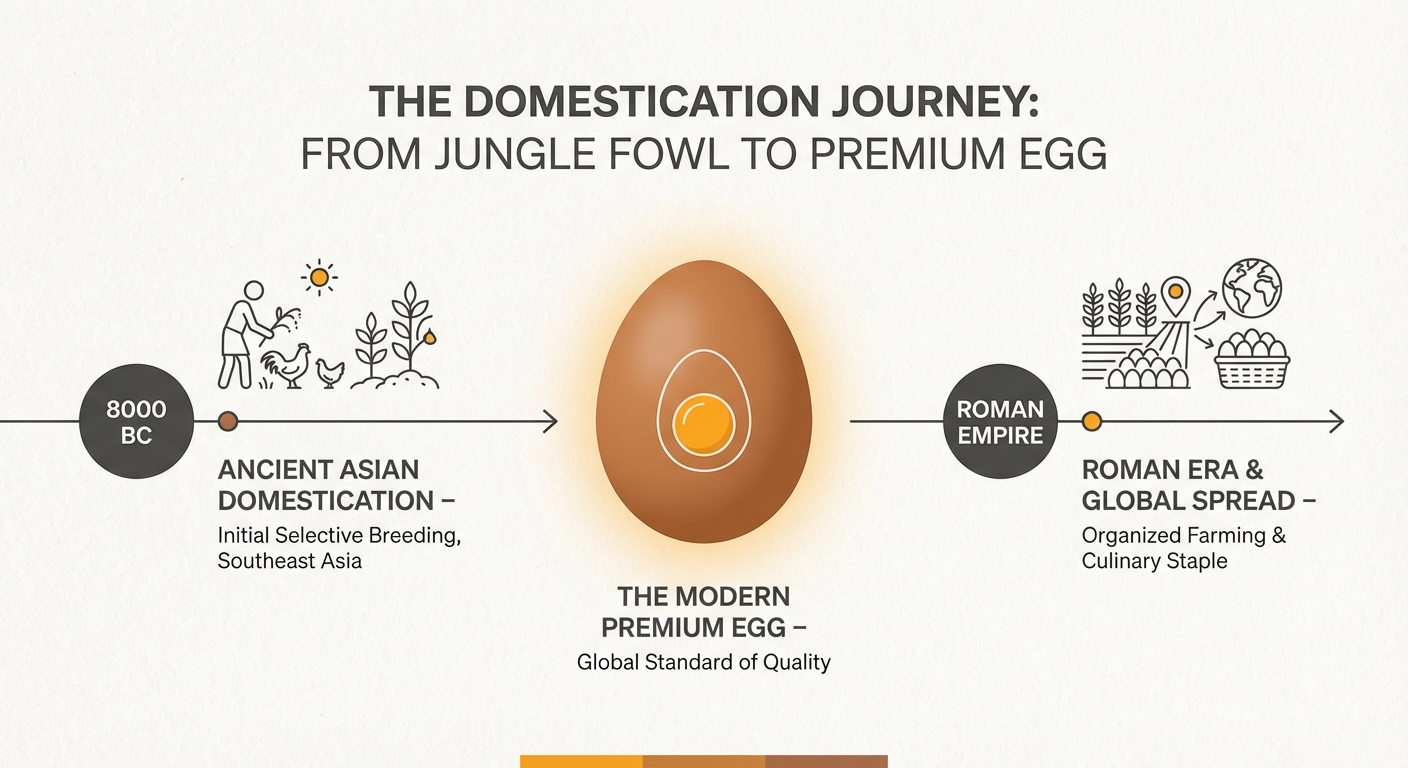
Timeline of Egg History
The journey of the egg from ancient farmyards to the modern kitchen has been long and complex. Below is a timeline of how this staple has evolved in human history.
| Time Period | Significant Milestone |
|---|---|
| 7,000–8,000 years ago | Chickens, originating from the Gallus genus in southeastern Asia, were domesticated for both meat and eggs. |
| 2500–2100 BC | The domestic chicken spread globally, reaching regions like the Indus Valley. |
| Roman Empire | Romans developed specific chicken breeds for egg production. |
| Mid-20th Century | Eggs faced scrutiny in the U.S. due to their cholesterol content. |
| 1968 | The American Heart Association (AHA) recommended limiting dietary cholesterol to 300 mg/day and advised no more than three whole eggs per week. |
| 1977 | The U.S. government’s first dietary guidelines mirrored the AHA’s recommendation to limit egg intake. |
| 2002 | The AHA removed its restriction on egg consumption after decades of research found no significant association between dietary cholesterol and CVD risk in healthy individuals. |
| 2015 | The Dietary Guidelines for Americans (DGA) followed suit, stating there was insufficient evidence to set a quantitative limit for dietary cholesterol. |

Modern Status: A Global “Powerfood”
Today, the global trend has shifted towards recognizing eggs as an affordable, nutrient-dense “power food” and a versatile dietary staple. They are valued for their high-quality protein, essential vitamins, minerals, and bioactive compounds that support overall health.
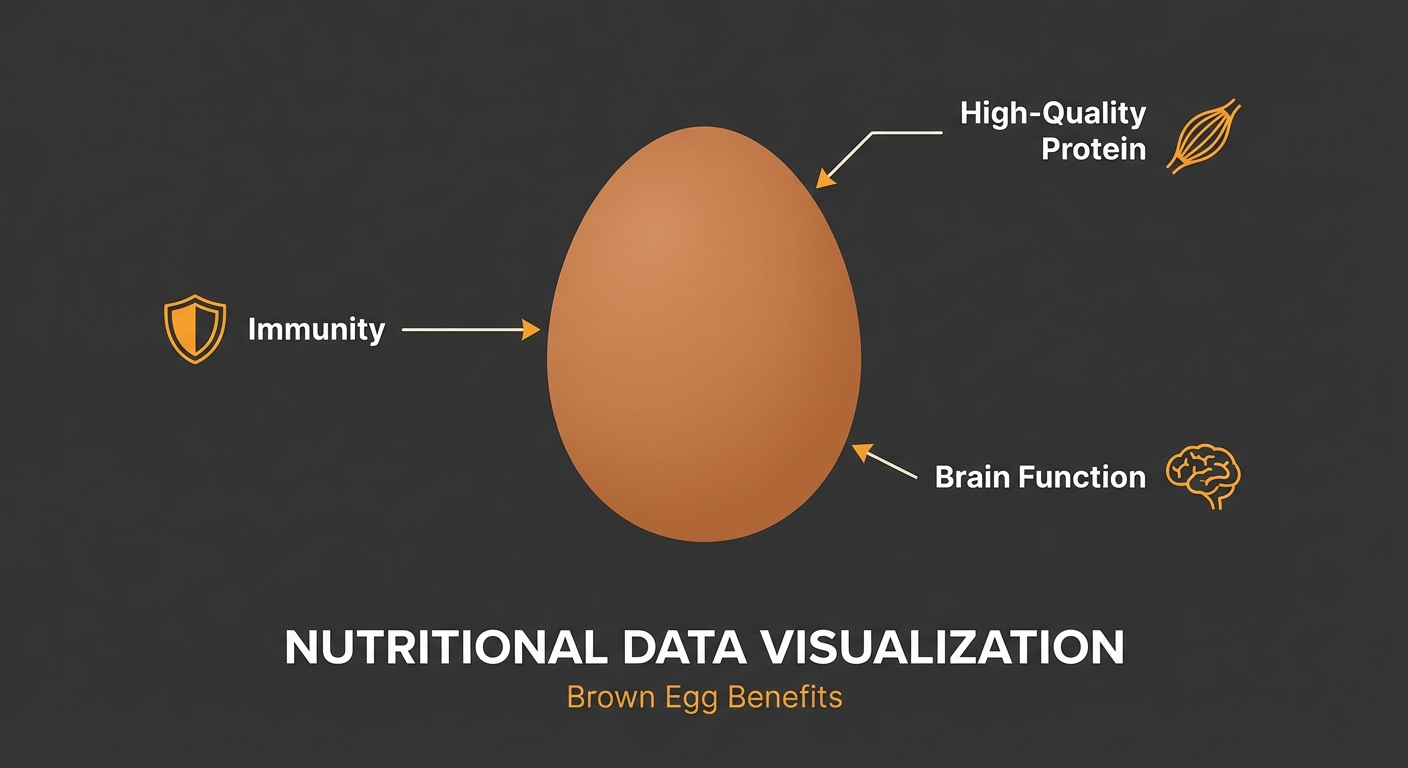
This positive view is supported by research showing eggs can promote muscle health, brain function, immunity, and help with weight management. Current dietary guidelines reflect this, with recommendations for moderate consumption as part of a healthy diet.
Current Recommendations and Outlook
Current dietary guidelines, such as the Australian Dietary Guidelines, recommend adults consume up to 7 eggs per week, a recommendation mirrored by the American Heart Association for individuals with normal cholesterol levels. For older adults with normal cholesterol, up to 2 eggs per day are supported, recognizing their nutrient density and convenience.
A recent prospective cohort study involving Australian community-dwelling adults aged 70 and over found that consuming eggs 1–6 times per week was associated with a lower risk of all-cause and CVD mortality, compared to those who rarely or never ate eggs. The study noted that daily egg consumption did not show the same benefit and was associated with slightly higher, though not statistically significant, mortality odds compared to infrequent consumption. These findings suggest that moderate egg consumption can be a beneficial part of the diet for older adults.

Conclusion
So, after decades of being treated with dietary caution, the incredible egg is officially off the hook! Thanks to a mountain of new research, this versatile, affordable, and nutrient-packed ‘powerfood’ is no longer a villain on your plate but a celebrated hero in your diet. It’s a comeback story you can enjoy at every meal!

About The Author
We are team egghey. We started this brand to share the incredible taste of truly fresh eggs from our family’s farm in Perak. We hope you enjoy them as much as we do!